
In today’s highly competitive construction industry, selecting the right interior door is no longer just about appearance. For distributors, developers, contractors, and project procurement managers, every purchasing decision directly impacts maintenance costs, customer satisfaction, and long-term project profitability.
One unexpected reality is that many traditional wooden doors begin to show signs of deformation, swelling, cracking, or surface deterioration within just a few years of installation—especially in environments with fluctuating humidity levels. These recurring issues often translate into costly repairs, replacements, and customer complaints. As a result, WPC doors (Wood Plastic Composite Doors) have rapidly emerged as one of the most reliable alternatives for modern construction projects. Combining the natural aesthetics of wood with the durability of advanced polymer technology, WPC doors offer exceptional structural stability, moisture resistance, and low-maintenance performance that significantly reduce lifecycle costs.
The superior performance of a WPC door begins with its engineered core structure. Unlike conventional MDF or solid wood doors, WPC doors are manufactured using a carefully balanced combination of wood fibers and thermoplastic polymers.
One of the key advantages of WPC material is that every wood fiber is encapsulated by polymer compounds. This protective barrier effectively prevents moisture penetration, eliminating many of the problems commonly associated with traditional timber products.
As a result, WPC doors are highly resistant to:
For projects located in coastal regions, tropical climates, bathrooms, laundry areas, and high-humidity commercial environments, this moisture-resistant characteristic becomes a major competitive advantage. Modern extrusion and compression molding technologies create a highly consistent internal structure throughout the door panel.
This homogeneous composition reduces internal stress concentrations that often lead to:
The result is a door system that maintains its shape and functionality even after years of continuous use. For contractors and facility managers, door deformation remains one of the most common causes of replacement and maintenance expenses.
Traditional wooden doors naturally absorb and release moisture from the surrounding environment. Over time, this repeated expansion and contraction can lead to visible distortion and operational issues.
By contrast, WPC doors possess extremely low water absorption rates due to their polymer-rich composition.
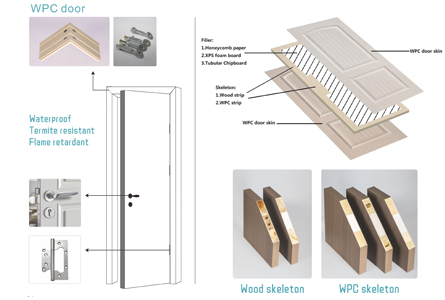
For hotels, apartments, hospitals, educational facilities, and commercial buildings, this enhanced stability translates into fewer maintenance calls and longer service life.
Beyond structural durability, maintaining an attractive appearance is essential for any commercial property. High-traffic environments expose doors to frequent contact from luggage, cleaning equipment, carts, furniture, and daily occupant use. Surface wear can quickly diminish the visual appeal of traditional painted doors.
Premium WPC doors are typically finished with advanced decorative films or laminated polymer surfaces engineered for commercial applications.
These protective layers provide:
Many high-quality WPC doors achieve surface hardness ratings between 2H and 3H, offering significantly better resistance to everyday wear than standard painted wood surfaces.
One of the strongest selling points of WPC doors is their exceptionally low maintenance requirement. For large-scale projects with hundreds or even thousands of door units, maintenance costs can have a significant impact on operational budgets.
The non-porous surface of a WPC door naturally resists:
Routine cleaning generally requires only:
Unlike traditional wooden doors, WPC doors do not require:
This simplicity significantly reduces labor costs and maintenance frequency throughout the building’s lifecycle.
To maximize service life, users should avoid:
Following these basic guidelines helps preserve the integrity of the decorative surface layer for many years. When evaluating building materials, the initial purchase price tells only part of the story.
Experienced procurement professionals increasingly focus on total lifecycle cost rather than upfront investment alone.
Because WPC doors resist moisture damage, pests, warping, and surface deterioration, their operational lifespan frequently exceeds 20 years under normal usage conditions.
This long service life contributes to:
Although WPC doors are highly durable, accidental impacts may occasionally occur.
Minor scratches can often be concealed using:
For deeper damage, localized repair methods such as epoxy fillers and surface touch-up systems can restore appearance without replacing the entire door panel.
Compared with traditional wood door restoration, repairs are generally faster, more cost-effective, and less labor-intensive.
Sustainability has become an increasingly important consideration for modern construction projects. Many WPC door manufacturers utilize recycled plastics and reclaimed wood fibers during production, reducing reliance on virgin timber resources.
Additional environmental benefits include:
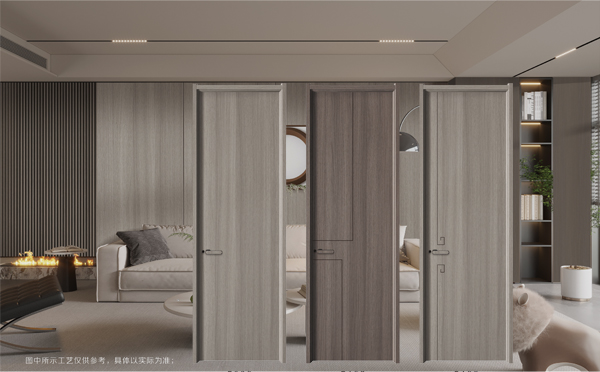
For developers pursuing green building objectives, WPC doors provide an environmentally responsible alternative without sacrificing performance.
For distributors seeking competitive product advantages, contractors focused on project quality, and developers aiming to reduce long-term operational costs, WPC doors represent a practical and future-oriented investment.
Their outstanding resistance to moisture, warping, pests, and daily wear—combined with minimal maintenance requirements and extended service life—makes them one of the most cost-effective interior door solutions available in today’s construction market.
Have questions about selecting the right WPC door for your next hotel, apartment, hospital, or commercial project? Contact our team today for professional guidance, product specifications, and customized project solutions.